


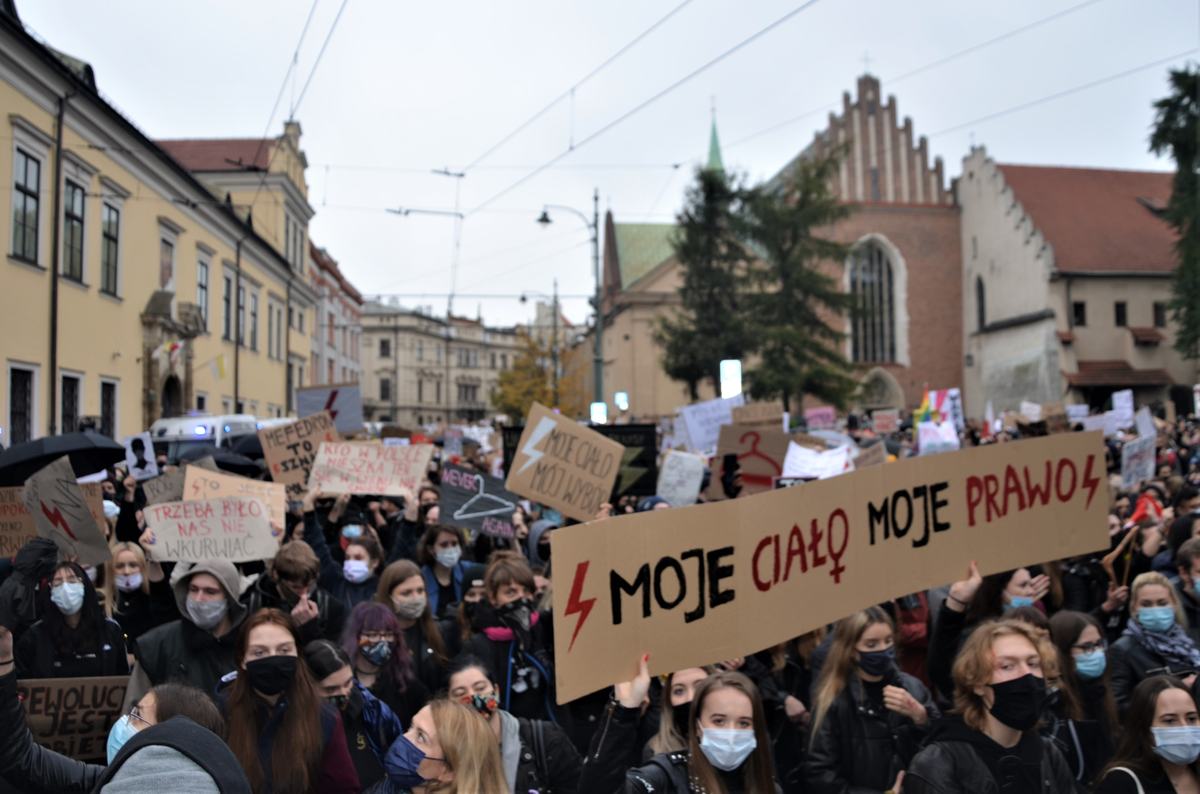
Poland first moved to formally legalise abortions in cases of rape or danger to the mother in 1932, a relatively progressive step at the time. Later on, Poland’s increasingly permissive rules regarding the termination of foetuses made it a haven for other European women struggling to find access to abortion services. So what happened to the Poland that pioneered abortion access in Central Europe, and how have they reversed their reputation to the point of being inhumane?
Historically, Poland has deep connections to Catholicism and traditionalism. Baptised as a nation in 966, Christianity is a cornerstone in almost all things Polish. Many interpret the Holy Bible’s words against murder and cherishing of life as a condemnation of abortion, and as such, initiate calls to criminalise it. Although theocracy and laws rooted in religion are not new to Poland (think the Anti-LGBTQ zones, established 2019 and dissolved in 2025, or Article 114 from the 1921 constitution, which granted Roman Catholicism “chief position” among “equated” religions), Law and Justice (PiS), a right-wing, national-conservative party that governed Poland from 2015 to 2023, summoned a a reemergence of this kind of rule to Poland, promoting ideas of “returning” to our roots as a nation. And their eight-year rule has left its mark on Poland’s political terrain.
A blunt recent history
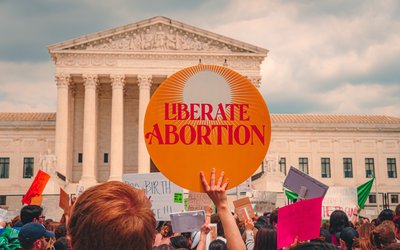
Poland’s current laws and government do not entirely represent the shifting views of the people. Throughout the 2000s, conservative Christian groups such as the PiS and Poland Comes First pushed again and again to tighten abortion laws. In 2006, a constitutional amendment that would have made abortion even harder to access was heavily considered, but did not succeed. In 2011, a bill to ban abortion entirely gathered over 500,000 signatures and had the backing of both the PiS and Poland Comes First, but it was narrowly voted down. Once the PiS won a majority in 2015, abortion protection slipped even further out of favor. In 2020, Poland’s Constitutional Tribunal, largely made up of PiS-appointed judges, ruled abortion in cases of severe fetal abnormalities unconstitutional, removing one of the last legal reasons for an abortion left. Protests filled the streets, but to no avail. Even after the PiS lost power, not much changed: in 2024, a bill to decriminalise aiding abortion fell short by only three votes.
PiS poison
The Polish government is structured uniquely, with a prime minister designated as head of government, a president as head of state, and a parliament with two levels; the government is often fractured, with a coalition of progressive or conservative parties, and many bills do not make their way through to laws.
One main roadblock stands in the way of parties like Lewica (the Left) or Civic Platform governing effectively: the president, Karol Nawrocki, a staunch believer of PiS’s superiority. In order for a bill to be passed in Poland, it must first be read and reviewed thoroughly in parliament, and then passed to the President to sign. Nawrocki’s constant vetoing of bills has curtailed Tusk’s plans as prime minister, and his election reintroduces a culture of conservatism that Poland was trying to leave behind. On 20 October, Tusk successfully passed two bills relaxing abortion legislation through parliament, but Nawrocki is likely to veto in the coming days. With a PiS-aligned, staunchly conservative president, Poland seems to be between a rock and a hard place when it comes to abortion legislation.
One and done attempt
Due to PiS successfully enacting their agenda during its eight year rule, Tusk now has a lot on his plate to reverse. Legalising abortion up to the 12th week of pregnancy was one of his campaign promises, declaring that his party “would guarantee it 100 per cent”. After a failed attempt to loosen abortion restrictions in 2024, Tusk accepted the fact that other issues will take priority until the parliament becomes progressive enough for him to re-add abortion legislation to the agenda, which he attempted again last month. Tusk does maintain, however, that there are efforts from his party to ease existing abortion policies, specifically in hospitals or prosecution offices.
Poland’s abortion laws still stand as one of the strictest in Europe, with termination of pregnancy only being allowed in cases of threat to the mother’s life, incest, or rape. Unfortunately, since 2021’s amendment to remove severe fetus abnormalities as a viable reason, there have been no successful laws or bills passed in the opposite direction. The existing exceptions to the law require extensive and difficult-to-acquire documents as proof. Coupled with the stigma women have to face if they file for said documents, these options are not viable. Polish women are stuck in a limbo, under a progressive prime minister without the power to help them. It seems that there is a long way to go before Poland even has a chance at reclaiming its reputation as a country with progressive abortion laws.