
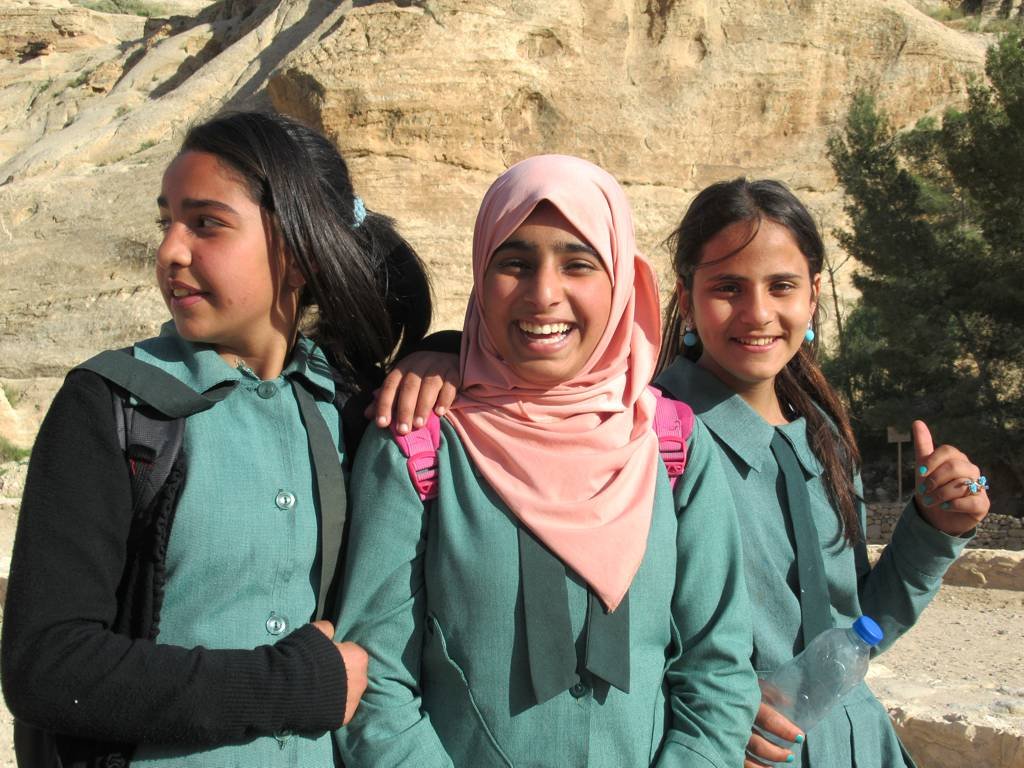
In many Western narratives, women in the Middle East are often portrayed through a simplistic lens of restriction, oppression and control. Whilst this can apply to many countries in the region, it neglects the complex realities of progress and lasting inequalities that reign true.
Jordan is a personification of this duality. Women in Jordan are among the most educated of the Middle East; they vote, study, and are increasingly active in public life to the same degree as men. Yet this progress does not translate into complete equality. Recent legal and constitutional advancements do not tell the whole story: the reality is far more complex, with both real progress and persistent structural limits.
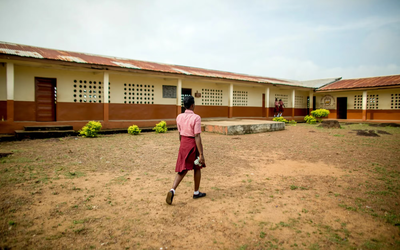
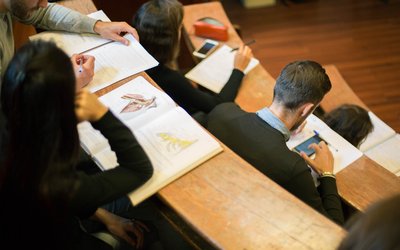
One of the clearest indicators of progress is women’s education. Jordan stands out in the Middle East with as many women as men attending school, even outnumbering men in higher education levels. They make up fifty-five per cent of undergraduate students and fifty-six per cent of post-graduate students.
As a predominantly Muslim country, educational structures are partly shaped by Islamic principles, in which the pursuit of knowledge is encouraged, although interpretations and progress vary across regions. For example, in more rural areas, access remains more limited due to conservative social structures and cultural norms. Conversely, in urban areas, women’s pursuit of knowledge is widely accepted, whilst in more rural settings, traditional expectations that have a greater emphasis on domestic roles continue to shape decisions around girls’ schooling. Other countries in the region hold a stronger stance on the state of women’s education, such as Afghanistan, where life under the Taliban regime is restrictive and suppressive, limiting girls’ education beyond primary education.
Work and the limits of economic independence
These advancements in education do not fully translate into equal opportunities in the labour market. Women’s participation remains staggeringly low. In fact, despite initiatives led by United Nations Women (UNW), women made up only 14% in 2023, among the lowest globally. This statistic reflects structural and cultural barriers that harden existing stereotypes: women are associated with domestic roles, while men are expected to provide financially. These conservative roles shape hiring practices and career choices for women, hindering opportunities for tangible advancements.
Moreover, although Jordan’s Constitution and labor laws guarantee equal access to work, women continue to face wage disparities especially in the private sector with limited access to affordable transport, and occupational segregation. The gender wage gap remains at around 7.3% overall in 2023, rising to 13.7% in the private sector, with even wider disparities in certain fields such as education and real estate, where gaps reach nearly 29%. Additionally, women remain disproportionately concentrated in lower-paying, lower-ranking positions , often excluded from higher decision-making roles. As a result, many women, despite being more highly educated than their male counterparts, remain underemployed or confined to jobs that do not match their qualifications.
Furthermore, in traditionally conservative families, women’s ability to work is influenced by their husband's decision, reinforcing economic dependence and limits women’s autonomy. Consequently, many withdraw from the labour market after marriage or do not pursue careers aligned with their qualifications, leaving their education underused.
Political participation, violence, and honour
Efforts towards increased female participation are evident in Jordan. Women have had the right to vote and run for office since 1974, earlier than some countries in Europe such as Portugal or Lichtenstein.
Quotas systems ensure a minimum level of representation in parliament, where 15 out of the 130 seats are reserved for women. In parallel, recent initiatives supported by UNW have aimed to strengthen women’s political engagement, including the training of over 340 female candidates ahead of the 2024 elections and the launch of the Independent Election Commission’s framework for women’s participation in political parties. As a result, their involvement is increasing, supported by programmes such as “Your Vote Makes a Difference”, implemented with the Jordanian National Commission for Women and backed by the European Union.
Representation however remains limited, stunted by cultural attitudes and underrepresentation in leadership positions, discouraging many from entering such a male dominated field.
A less visible but critical issue for Jordanian women’s rights is the persistence of “honour killings”. As Jordanian journalist and human rights defender Rana Husseini detailed, these crimes occur when a female relative is perceived to have violated social or family norms, such as “being involved in extramarital affairs, becoming pregnant out of wedlock, choosing to marry a man of her own, [or] losing her virginity.” In some cases, even rape can be perceived as dishonour, thereby subjecting victims of sexual violence to further violence. In that logic, some more radically conservative families believe that if a woman has committed such dishonourable acts, she should be killed, because, as Rana puts it, “for them, blood cleanses honour.” While official figures suggest that there are only fifteen to twenty cases of honour killings per year, the real number is higher, as many cases go unreported and concealed.
These practices are deeply rooted in patriarchal structures that control women’s bodies and behaviour while leaving men largely unpunished for similar actions. The long-standing tolerance of such crimes — still in some cases seen as necessary — reveals how social norms legitimise violence towards women. In the 1990s, such murders were often treated as minor incidents and quickly buried in the press.
Is progress stunted or simply slow?
There has been progress. Prolonged activism by women’s rights groups has started shifting people’s attitudes and Jordanian law. In 2016, official condemnations by Jordanian religious institutions were made against “honour” killings, and in 2017 the penal code was updated as well. The amendment limited reduced sentences for perpetrators of honour killings, ensuring women would receive justice.
Jordan today stands between reform and tradition; women’s rights in Jordan, or the wider Middle East region, cannot be described in simple terms. The country has made clear progress: women are highly educated, more visible in public life, and supported by NGOs. The Jordanian National Commission for Women (JNCW) is an example of this, working closely with the government to promote gender equality, helping to shape national policies and support legal reforms that support women’s rights. At the same time, legal frameworks and social norms continue to limit their rights. Education does not guarantee employment, and legal rights do not always translate into immediate change. The future of women’s rights in Jordan depends not only on the legislative process, but whether or not the country’s society is ready to redefine gender roles and cross traditional boundaries.