


Increasing geopolitical instability is disrupting trade and economies, making investors cautious in a new risky climate. This has caused large states to seek refuge in industrial policies such as subsidies, localisation requirements, and export controls for leverage and security. These measures either urge leading industries to turn inwards, develop competitive advantages in leading technologies, or prevent other countries from having easy access to critical technology. Examples abound. Tokyo allocated nearly four trillion yen to boost its chip industry; the EU passed legislation to increase its share of global chip manufacturing to twenty per cent; and Taiwan claimed it was for “competitiveness”. Singaporean multinational enterprises (MNEs) were especially concerned about export competitiveness due to the EU’s plans to invest in strategic industries, which could give European businesses an unfair advantage. The export controls they implemented are on critical technologies, choke points for the modern computing industry.
In 2023 alone, there was an increase of nearly 2,500 industrial policies worldwide from the year before according to the International Monetary Fund. Throughout all this, a small island state with a population of 6 million, situated in the heart of Southeast Asia, is trying to keep its balance: Singapore.
The impacts on Singapore’s economy
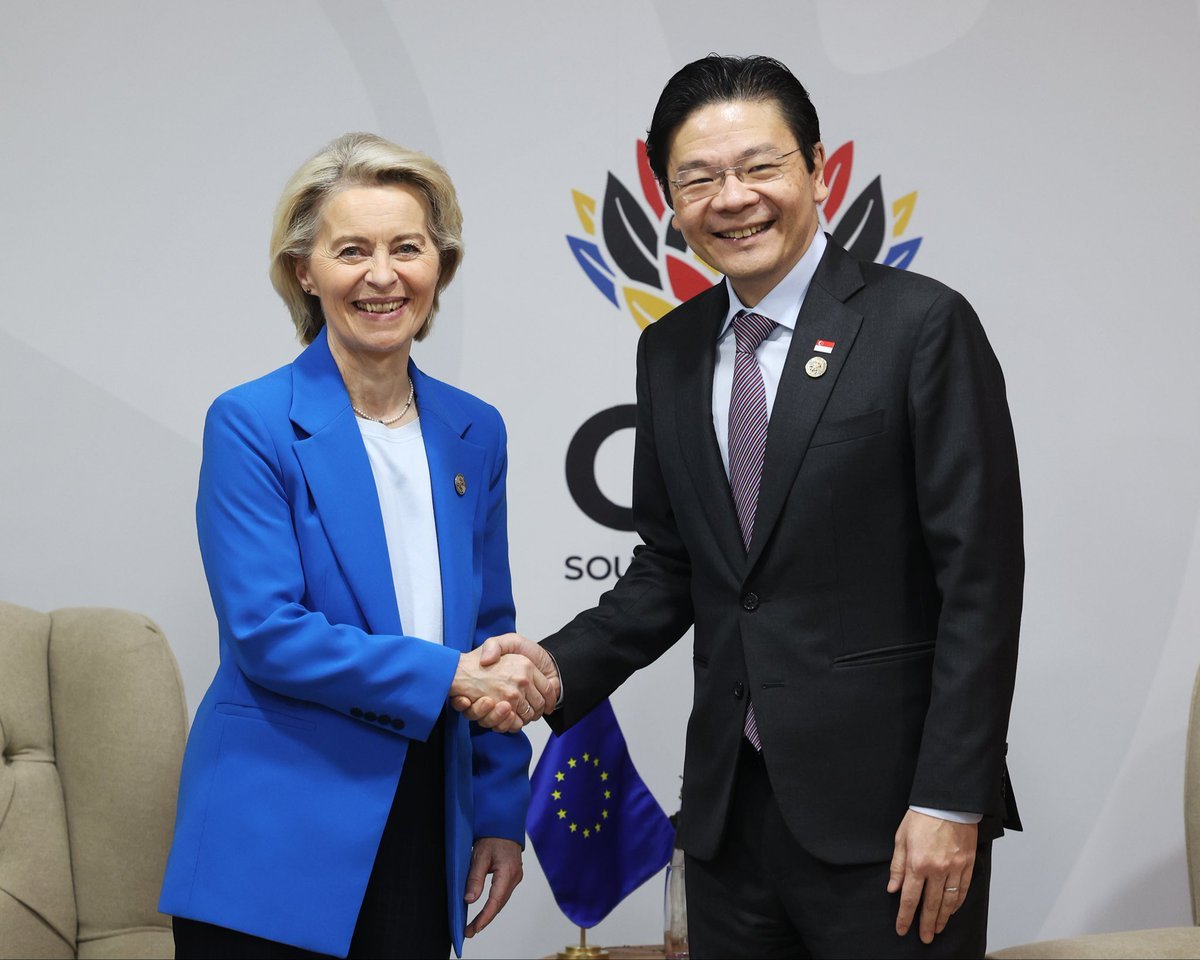
Singapore’s Prime Minister Lawrence Wong has claimed that, “the era of rules-based globalisation and free trade is over.” For countries that depend on free trade like Singapore, trade war policies only worsen conditions. Singapore’s electronics sector accounts for 40 per cent of non-oil domestic exports, with semiconductor production dominating the sector, according to the World Bank.
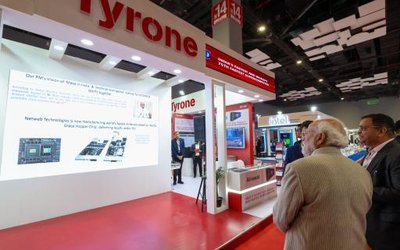
And in the semiconductor industry, recent chip subsidies from the U.S. and Europe are acting as artificial barriers that are driving up costs. If they manufacture in the U.S. instead of abroad, these subsidies significantly reduce capital expenditure burdens and operational risks for firms. Companies like TSMC and Samsung have already received billions in grants and tax credits from the U.S. CHIPS Act for building fabrication plants in Arizona and Texas. But these policies shift pain elsewhere — increased subsidies that lower operational costs abroad and promote larger investor risk appetites undermine Singapore’s attractiveness as an innovation hub. When governments cover part of the fixed cost of building elsewhere, Singapore has to compete against an artificially cheaper alternative, especially for new capacity decisions.
To complicate matters, U.S. export controls can also affect semiconductor firms in Singapore through licensing and re-export restrictions on U.S. origin equipment, software, and know-how embedded in their manufacturing processes. Subject to these export controls, sales in China may be affected.
Lower taxes!
To maintain its competitive edge as a tech and innovation hub, Singapore has adopted a tripartite framework. Firstly, it must rejig business incentives. Singapore must remain committed to finding new ways to stay competitive and grow whilst providing robust support to businesses amidst rising costs. This delicate balance is attained through strategic financial incentives and a steadfast dedication to promoting innovation. Traditionally, Singapore was perceived as a tax haven for MNEs to base their operations, perfecting this balance. But the OECD’s BEPS 2.0 reforms, including Pillar Two’s global minimum tax, mean Singapore has less scope to lean on tax incentives alone to lure new investments.
In accordance with the global tax rulebook, tax incentives are permitted if they are based on “real and substantial activities in the jurisdiction”. In Singapore’s case, the Budget 2024 release demonstrated the country’s commitment to attracting businesses, with the introduction of the Refundable Investment Credit (RIC). The RIC promotes high-value economic activities such as investments in new productive capacities and engagement in R&D. These credits offset corporate income tax payable, and unused credits can be refundable to the business in cash.
There is also a need to restructure the corporate tax system to increase competitiveness. Singapore and Bermuda share many similarities as corporate tax havens. Both have built reputations for regulatory stability and tax planning certainty that attract mobile capital and multinational structures. Like Bermuda, Singapore might consider amending its corporate tax system to ensure that MNEs achieve the most favourable tax outcomes. For instance, tax reorganisation rules, such as tax deferrals on gains arising from qualifying reorganisations, would align with Pillar Two requirements. In the future, the government might also consider broadening the list of qualifying intellectual property rights for tax depreciation, aligning Singapore with nations with attractive IP regimes.
Alternative solutions
In terms of underscoring its significance as a regional powerhouse for the semiconductor industry, Singapore must also do more to harness technological innovations such as green solutions and circular economy models to set a standard and attract MNEs. To position Singapore as the prime destination for high-value investments, customised support can also be rendered to growth areas like space technology, biotechnology, and genomic technology. It frames the nation as adaptable and innovative.
Secondly, bolstering supply chains. Despite efforts to boost chip production in the Western world, few countries have robust supply chains and adequate infrastructure the way Singapore does. Singapore must leverage this advantage. As we wade through geopolitical uncertainty, diversification and enhanced risk management are key.
The strategic utilisation of advanced analytics, digital tools, and automation can fortify businesses against supply shocks through forecasting and faster contingency planning. Close monitoring capabilities and AI can also assist in setting up early warning systems, improving the visibility of the end-to-end supply chain. In this regard, chambers of commerce and trade associations like the Singapore Trade Association can offer training and grants to businesses that wish to undergo digital transformation for enhanced supply chain analysis.
Having real-time access to data across countries also enhances end-to-end supply chain visibility, allowing firms to detect trouble spots and respond early. As such, Singapore could facilitate regional data sharing by recommending regional organisations establish cognitive decision centres (CDCs) — CDCs are shared hubs that fuse real-time logistics and market data to support faster operational decisions — , with grants provided for feasibility studies. Firms can thus leverage these hubs to aggregate supply and demand analytics for the entire industry. CDCs also use advanced track-and-trace systems that can serve as a sandbox where stress tests for supply crises are carried out. With the government overseeing the aggregation of data on a regional data platform, data can be protected by relevant authorities.
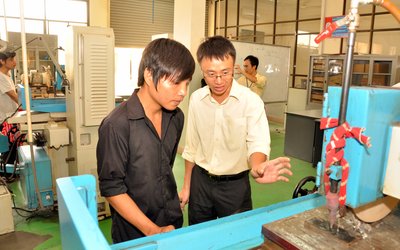
Lastly, nurturing talent for the future. Of 151 semiconductor executives in a survey, sixty-seven per cent indicated talent risk as their top strategic priority for the next three years, according to KPMG. The government collaborated with NTUC (Singapore’s National Trades Union Congress, which represents workers and supports skills upgrading) to lower costs and barriers to upskilling through training allowances for mid-career workers to build deep skills. To remain at the forefront of data innovation and emerging technologies, Singapore should expand its talent pool beyond the nation. A few options the island state might consider include an equity-based remuneration scheme, which has been popular in attracting tech talent. Furthermore, a liberalisation of current tax deductibility laws to allow the issuance of new shares to qualify for tax deductions would also increase the attractiveness of working in Singapore. For employees, this can translate into more competitive equity packages and higher take-home compensation, especially in fast-growing tech firms.