One afternoon, while visiting my aunt, we saw guards dragging a teenager out of his apartment complex. After his father pleaded and begged, they told him they would release his son for ten thousand U.S. dollars, a fortune in a country where most people do not have anything close to that in their entire savings. They said the offer stood only until the car reached the prison. How much is the price of a life?
My childhood as a Venezuelan was marked by the protests of 2014 and 2017, so I believed I knew what would happen in the summer of the 2024 elections. But with hundreds of similar stories of rampant corruption embedded into the country, Venezuela remains unpredictable. In my country, hope fills the streets almost as quickly as it is taken away.
Crushing hope
This time felt different. Opposition leader María Corina Machado worked tirelessly for months to make sure the vote was protected. Citizens volunteered as witnesses in over 90 per cent of polling stations across the country, digitalising final ballots and reporting results in real time. When, after hours of delay, the national broadcast proclaimed Nicolás Maduro the winner, we knew we had been robbed of our right to vote.
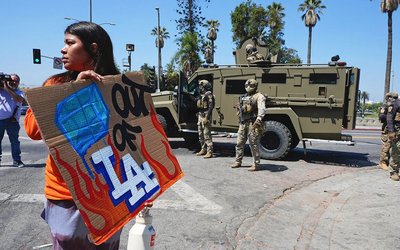
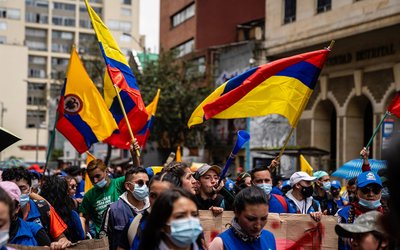
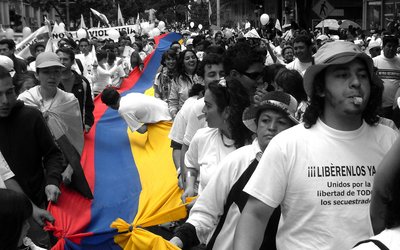
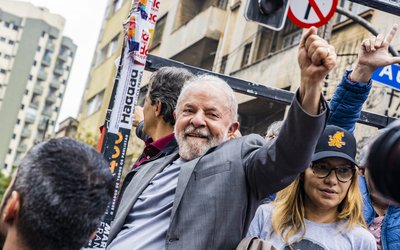
For a few weeks we marched with numbers too large to ignore. Too large to deny what had happened. We carried into the streets, despite our overwhelming rage, fear and trauma of earlier protests, where hundreds had been killed and many more imprisoned. The National Guard once again flooded cities with threats too real, too grave and too eminent for anyone to pretend bravery could protect us. In just a few weeks, The National Guard had successfully silenced protests once again.
We became afraid to even drive, as it had become customary for guards to stop cars, demand to check our phones, scroll through WhatsApp chats and photos looking for evidence of opposition. El Helicoide, a notorious intelligence detention centre long associated with torture, returned to everyday conversation as a warning. Despite living in one of the most politically relevant times of our fight for freedom, people avoided talking about politics altogether. Silence became essential for survival.
How democracies die
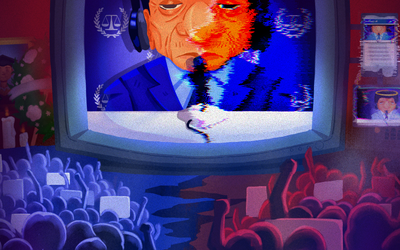
Political science treats freedom of speech not simply as a right but as a function of government. A state is meant to protect expression while maintaining order — order understood as the peaceful co-existence of political disagreement. Maduro used this very argument to support his government. But for him, “order” meant the absence of opposition, and “peace” only existed when there were no threats to his government. This reasoning was formalised through the bill “Law Against Hatred”, passed by a parallel legislative body created by the regime. Framed as a tool to prevent violence, the law instead criminalised dissent, with penalties of up to twenty years in prison. It was intentionally vague, allowing the government to punish any ambiguous suspicion of opposition without concrete evidence.
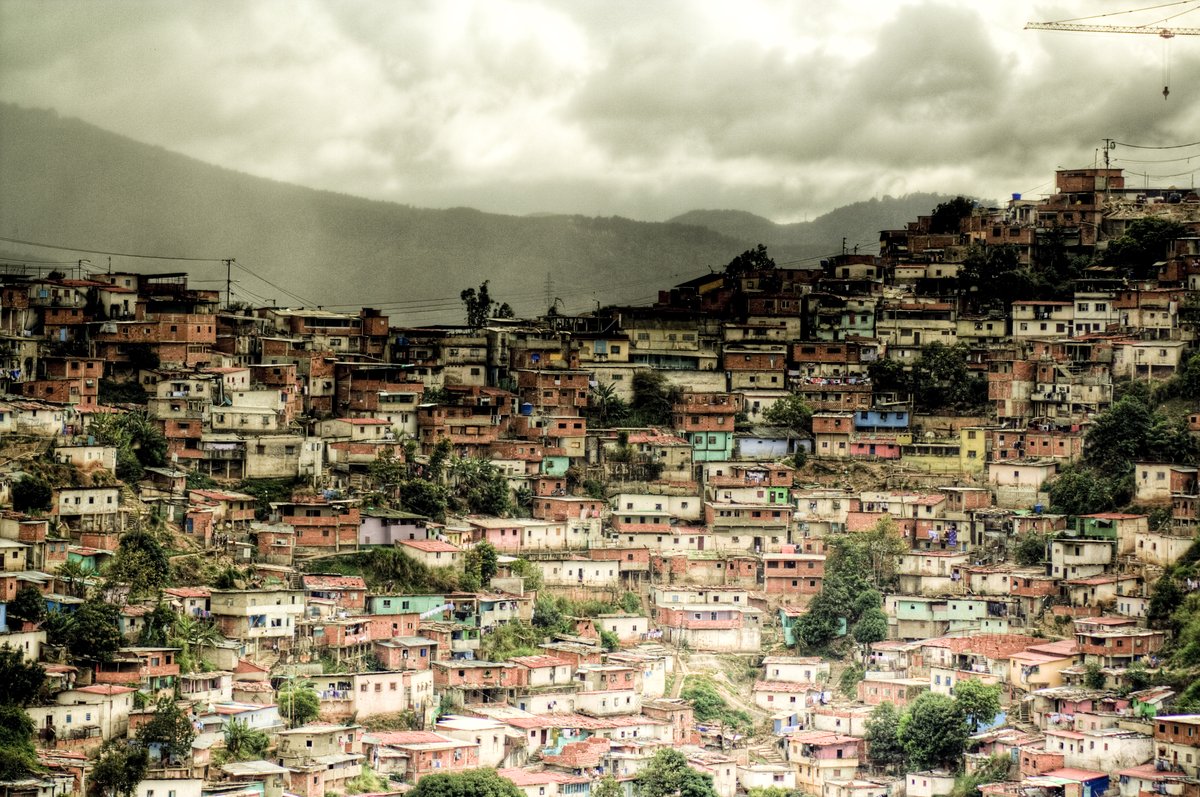
Once speech is controlled, narrative follows. This is the foundation of Venezuela’s state-sponsored polarisation: dissenters are reframed not as political opponents but as existential threats to the existence of the state. In a popular area of Caracas, a vendor had the radio playing government propaganda: a scripted call between two women, one telling the other that her small business could not grow because the opposition wanted to destroy peace. The message was absurd. On the few occasions when Maduro’s government acknowledges economic suffering, it weaponises it as an opportunity to blame the consequences of corruption and incompetence on the opposition. Once the opposition is framed as a dangerous “other”, repression begins to look like self-defence and self-preservation.
In How Democracies Die (2018), Steven Levitsky and Daniel Ziblatt explore how the readiness to curtail civil liberties is a key warning sign of authoritarianism. In Venezuela, this was not just a warning sign but the very infrastructure of Maduro’s regime.
More than numbers or puppets
More than three hundred free speech violations in Venezuela have been documented by the United Nations. This matters, but in all honesty, turning victims into numbers diminish the tangible impacts of these violations. Behind every violation lies a person, a story: the journalists who fled, the poll witnesses who live in fear, and the fathers begging guards for their sons’ lives.
As Venezuela continues to appear in international media, it is evident that people view my country through distant frameworks and filtered partisan lenses that use ideological arguments that were never even considered by us. Free speech is not an abstract principle taken for granted in Venezuela; instead, it lies at the very core of the motivation behind these forms of repression. This should be spotlighted. Whilst the fall of Maduro signifies a new order, this same hope is darkened by a potentially more ominous future in America’s shadow. Fear and uncertainty persist in daily Venezuelan life but one must continue with cautious hope, shaped by the tragedies of our own history but unwilling to give up on un pueblo libre.