
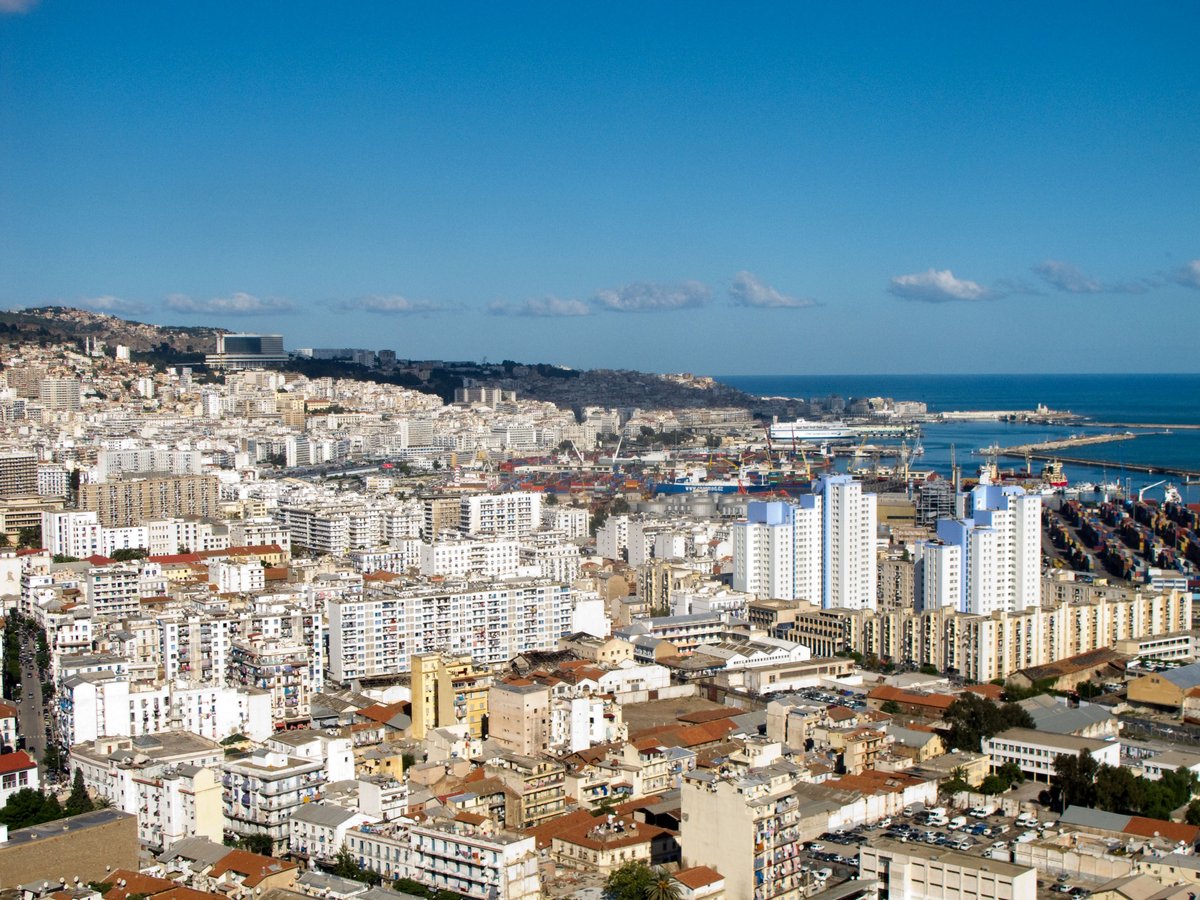
The history that binds France and Algeria is truly unique — some say that the Mediterranean is nothing more than a narrow street between the two countries. Yet the two peoples love each other as much as they despise one another.
Their closeness is rooted in a deeply unequal past. Algeria spent more than a century under French colonial rule. This period was marked by domination and violence, and its legacy continues to shape relations between the two countries. Independence in 1962 did not erase these tensions; instead, it left behind unresolved questions of memory, identity, and responsibility that still weigh heavily on diplomatic exchanges today.
A widening sea
The Algerian War (1954–1962) was a deeply painful chapter for both Algerians and French citizens. Eventually the two nations managed to rebuild strong ties, notably through various agreements such as the one signed in 1968. Nevertheless, despite these efforts, tensions have remained present, particularly since the summer of 2024. Never have diplomatic relations between Algiers and Paris been so strained since 1962 — a symptom of a psychological gulf between two capitals that no longer understand each other.
On December 27, 1968, the governments of the two countries signed an agreement aimed at regulating the movement, residence, and employment of Algerian nationals in France. The agreement was also presented as a way for France to address its colonial past. This month the French government threatened to review these longstanding agreements with Algeria following a deadly knife attack in Mulhouse, carried out by a man of Algerian origin who had been on the terrorism watchlist and subject to deportation orders. Interior Minister Bruno Retailleau noted that France had attempted to expel him on more than fourteen occasions, but Algeria had repeatedly refused to accept him.
The French government argued that the agreements are not being fully honoured, citing Algeria’s failure to fulfil its obligations. Furthermore, a recent report by the right-wing Renaissance party estimates that the 1968 Franco-Algerian migration agreements cost France approximately €2 billion annually. Beyond this dispute, relations between Paris and Algiers have continued to sour since the summer of 2024, particularly due to France’s recognition of a plan for autonomy “under Moroccan sovereignty” for Western Sahara, which has been contested by Morocco and the separatist Polisario Front for nearly fifty years.
For Algeria, which has long supported the Polisario Front, Paris’ stance was perceived as a clear departure from its traditional position and a serious blow to Algiers’ regional ambitions. More broadly, the episode illustrates how unresolved regional disputes continue to shape post-colonial alliances in North Africa, often outweighing historical ties or diplomatic pragmatism. In response, Algiers pursued an “empty chair” strategy, recalling its ambassador from Paris in July 2024. While France did not withdraw its ambassador from Algeria, Stéphane Romatet was recalled to Paris last April for consultations amid escalating diplomatic tensions.
Tensions have since intensified following a series of arrests by the Algerian authorities targeting French nationals. The first high-profile case occurred in November 2024, when Franco-Algerian writer Boualem Sansal was sentenced to five years in prison for “undermining national unity.” More recently, in June 2025, sports journalist Christophe Gleizes was handed a seven-year sentence for “glorifying terrorism” after being in contact with a football club executive linked to the Movement for the Self-Determination of Kabylia (a group classified as terrorist by Algiers) which refuses to relinquish control over the region. While Paris has framed these cases as politically motivated, Algiers has defended them as matters of national security. Once again, the gap between the two governments’ narratives is clearly visible. Following these arrests, the French president sent a letter to French Prime Minister François Bayrou, urging him to demonstrate "more firmness and determination" in response to the "growing difficulties" Paris faces regarding "migration and security with Algeria."
From colonisation to calling the shots
France is not the only country to have toughened its position. Algeria has increasingly sought to sideline French in favour of English, despite remaining the world’s second-largest French-speaking country, well ahead of Quebec. Starting in the 2025 academic year, educational reforms led to a reduction in classroom hours devoted to French in both primary and middle schools.
The French Institute of Algeria was not granted permission in 2025 to host a stand at the Algiers International Book Fair, a major literary event organised by Algeria’s Ministry of Culture. This unexpected turn is also reflected in the declining interest of Algerian students in learning French; the number of students enrolled in courses offered by the five branches of the French Institute has gradually fallen from 18,000 learners in 2022 to around 16,000 in 2024 Le Monde reports. These moves are especially symbolic considering France and Algeria have been locked in a diplomatic standoff for over a year.
Despite the persistent crisis, Paris and Algiers have continued to maintain economic exchanges, highlighting the complexity of their bilateral relationship. After diplomatic dialogue was largely suspended in the second half of 2024, economic dialogue cautiously resumed in June 2025 during Algiers’ Industry Days, bringing together around twenty French companies and more than 150 Algerian firms, both public and private.
This renewed cooperation, however, does not mask a worrying economic reality. According to Dzair Tube, French exports to Algeria fell by 21 per cent in the first quarter of 2025. Indeed, some argue that Algeria is now redrawing its economic map. Once heavily tied to France, Algiers has increasingly turned toward Italy as its preferred partner in energy, trade, and infrastructure. In the energy sector, once a cornerstone of Franco-Algerian cooperation, France has fallen behind, whilst Italy’s agile response to the post-Ukraine energy crisis has given it a decisive edge.
Ultimately, despite the shared history that binds them, the future of Franco-Algerian relations remains uncertain. It would be in the interest of both countries to preserve peaceful relations grounded in shared priorities. A complete rupture appears unlikely given how connected the two societies are: around 6.8 million people in France — nearly 10 per cent of the population — have direct links to Algeria, while many more are connected indirectly through family, culture, or historical ties.