


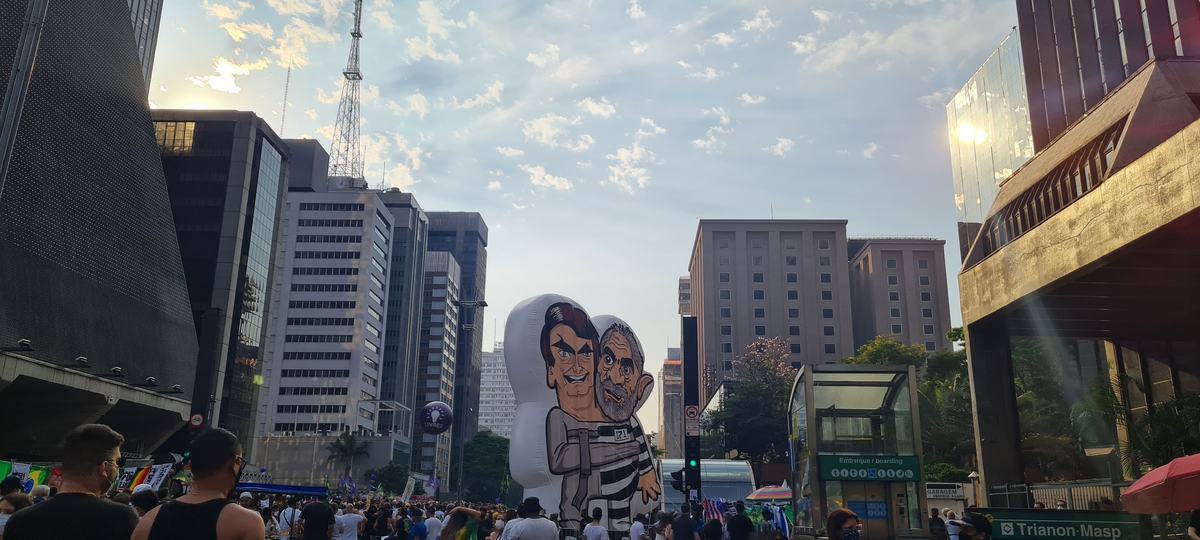
Brazilians vote on Sunday in a presidential runoff between incumbent Luiz Inácio Lula da Silva and far-right senator Flávio Bolsonaro. Polls suggest a tightening race, dominated by living costs, crime and public spending. The outcome could reshape relations with Washington and protection of the Amazon.
Hundreds of thousands marched across France on Saturday, demanding better public services and relief from rising living costs. Authorities estimated 410,000 participants nationwide. Clashes and nearly 1,000 arrests marked the fourth consecutive weekend of demonstrations, increasing pressure on President Emmanuel Macron.
European and Middle Eastern foreign ministers meeting in Istanbul urged Washington and Israel to avoid renewed strikes on Iran. Representatives from eight countries warned of regional instability and rising energy prices, calling for diplomatic coordination and freedom of navigation through the Strait of Hormuz.
Nigeria confirmed an Ebola case involving a traveller from Uganda, prompting authorities to trace 44 contacts. The World Health Organization urged stronger surveillance as the outbreak reached west Africa, raising concerns about international transmission and pressure on regional health systems.
China expanded diplomatic and maritime pressure on Taiwan, sanctioning foreign officials with ties to Taipei and increasing coastguard operations. Analysts described these as “grey zone” tactics intended to isolate the island without triggering open warfare, heightening concerns over regional stability.
British inflation rose to 3.5% in September as fuel prices increased, while monthly government borrowing reached £24.5 billion and public debt exceeded £3 trillion. The figures complicated preparations for the forthcoming budget, with disruption linked to the Iran conflict weighing on the economy.
Russia and Ukraine agreed to a local ceasefire in occupied Oleshky, beginning on 27 October, to allow aid deliveries and civilian evacuations. Around 2,000 residents face severe shortages. The White House credited Melania Trump with helping secure the arrangement, offering a limited humanitarian opening.
Severe flooding across the southwestern United States prompted rooftop rescues, evacuations and road closures on Friday. Around 600 households in Farmington, New Mexico, were ordered to leave, while Colorado declared an emergency in 11 counties. Further rain threatened already saturated communities.
Bougainville’s independence bid returned to Papua New Guinea’s parliament, which must ratify its referendum result. MP Lino Tom said he would consult constituents through a local referendum before voting, highlighting disagreements over who holds the mandate to determine the territory’s future.
The UN’s COP17 biodiversity summit opened in Yerevan, Armenia, on Monday, focusing on conservation, ecosystem restoration and financing. Governments remain off track across the agreement’s 23 targets, including protecting 30% of land and oceans by 2030, increasing pressure for concrete action.