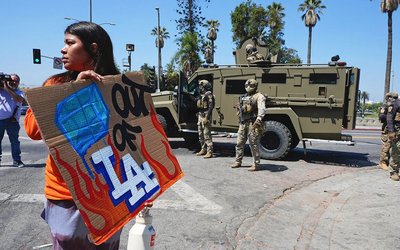
Figures like Stormzy and Kendrick Lamar have become powerful voices against police brutality, both using their art to support the Black Lives Matter movement. Their activism does not exist in a vacuum; there is a rich, longstanding tradition in music of artists using their work as a powerful tool for protest, political resistance, and the expression of deeply held values. The advent of social media has only fuelled this tradition, giving artists direct platforms, unmediated by labels, to voice their politics. That reach has brought new creative independence, allowing musicians to shape their work around issues they care about. Stormzy has openly criticised former UK Prime Minister Boris Johnson in his lyrics, while Lamar’s “Alright” emerged as an unofficial anthem of the movement.
Lamar’s influence extends beyond chart success: his 2018 Pulitzer Prize win was a historic moment, recognising his lyricism as not only artistically groundbreaking but culturally and politically significant as well. After all, our belief systems shape how we navigate the world. And for many artists, those beliefs naturally inform their creative work. But this raises a key question: are there moments when involving politics in art becomes unjustified — or even inappropriate?
Glastonbury’s conflicting message
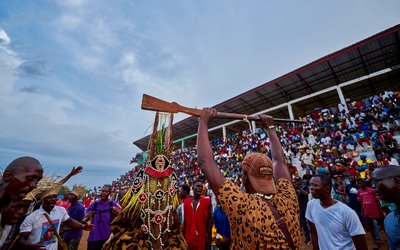
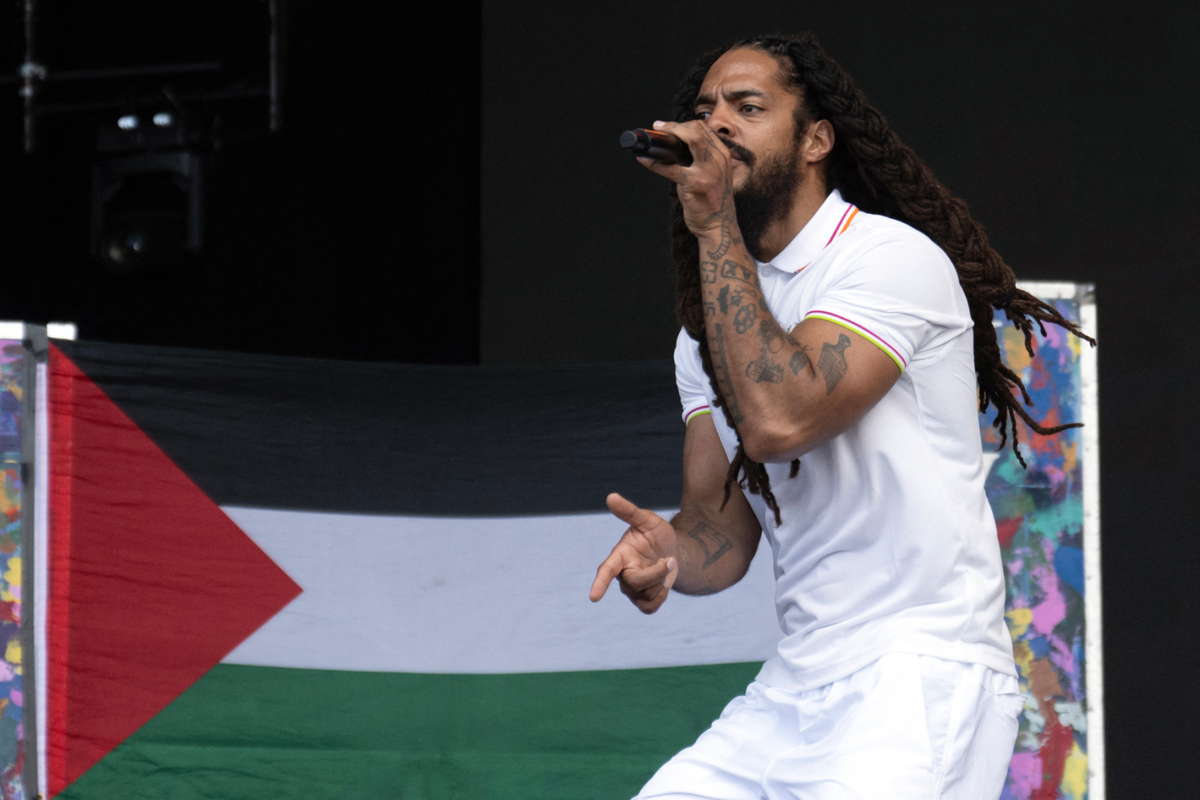
The live music industry, specifically festivals, has sparked great controversy when artists have used their spotlight as a platform to echo their political views. Most recently, this was seen at the festival Glastonbury in the UK, where the performers of Bob Vylan, a British punk-rap duo, started chanting “death to IDF” (the acronym for the Israeli military) during their set. Critics of this speech considered it extreme and at odds with the setting of the festival, considering the mission statement of Glastonbury claims that they “actively campaign for hope, unity, peace and love”. Supporters argued that critics were being bigoted and privileged to criticise Bob Vylan for speaking out and Glastonbury for platforming them.
This raises a valid question: is it wrong for people to want their relationship with artists to remain centred around the music? For many, music serves as a refuge from their struggles, offering relief from the noise of current affairs. Indeed, festivals are often designed to present an escape from reality, a place to unite people through their love of music.
Activism or acting?
Artists may feel the same way too — politics is impeding their artistic pursuits. Azealia Banks, an American rapper, recently released tweets announcing that she was no longer performing at another famous British festival, Boomtown, claiming the promoters were pressuring her to release a statement in support of Palestine. Banks’ accusations against Boomtown’s organisers raised many questions regarding the authenticity of artists’ activism. How many actually believe in the cause they are speaking up about? And how many event organisers or fanbases have pressured artists into “speaking out” about certain political issues based on what would appeal to their audience the most?
Some argue that Boomtown and Glastonbury organisers are using politics to boost their image amongst increasingly pro-Palestinian British young adults. This raises serious moral concerns over not just the commodification of activism, but also the infringement of free speech; while big artists like Banks can afford to reject pressuring and speak out, smaller performers may feel as if they have no choice and must succumb in order to protect their career. The infiltration of politics into the music industry has both divided a once-universal community and undermined all artists’ activism, whether genuine or not. If audiences tune out, dismissing all politics as performance, the industry runs the risk of losing its power to drive real change.
Great platforms, greater expectations
On the other hand, advocates for political expression in art argue that celebrity influence carries a moral obligation. With global followings and unparalleled visibility, artists often command more public attention than politicians, making them uniquely positioned to amplify political messages. In 2022, American singer Taylor Swift posted a simple call to action on her Instagram story, urging her followers to register to vote. The result? Over 35,000 new registrations within 24 hours.
We do not know if Swift was genuine in her desire to register voters, yet the episode underscored a key dynamic: artists, particularly those with young fanbases, can mobilise civic engagement in ways few others can. While critics may question their expertise on complex policy issues, the cultural leverage these figures hold allows them to spark conversations and action at scale. Swift is not an exception; from climate activism to human rights, artists across genres have helped push movements from the margins to the mainstream, often with measurable impact.
Whether viewed as divisive or necessary, the relationship between politics and the music industry is impossible to ignore; its influence is shaping both culture and conversation in lasting ways. Without a doubt, the way in which some artists use their platform to transmit political messages has strengthened many important causes. It has also fostered an expectation for all musicians and performers to do the same, resulting in the proliferation of performative activism, which has damaged the authenticity of even the most genuine artists. While musicians absolutely have the right to speak on political issues of their choosing, greater scrutiny is necessary for event organisers and industry leaders who push certain narratives onto their performers, as obligation is what stifles authenticity.