


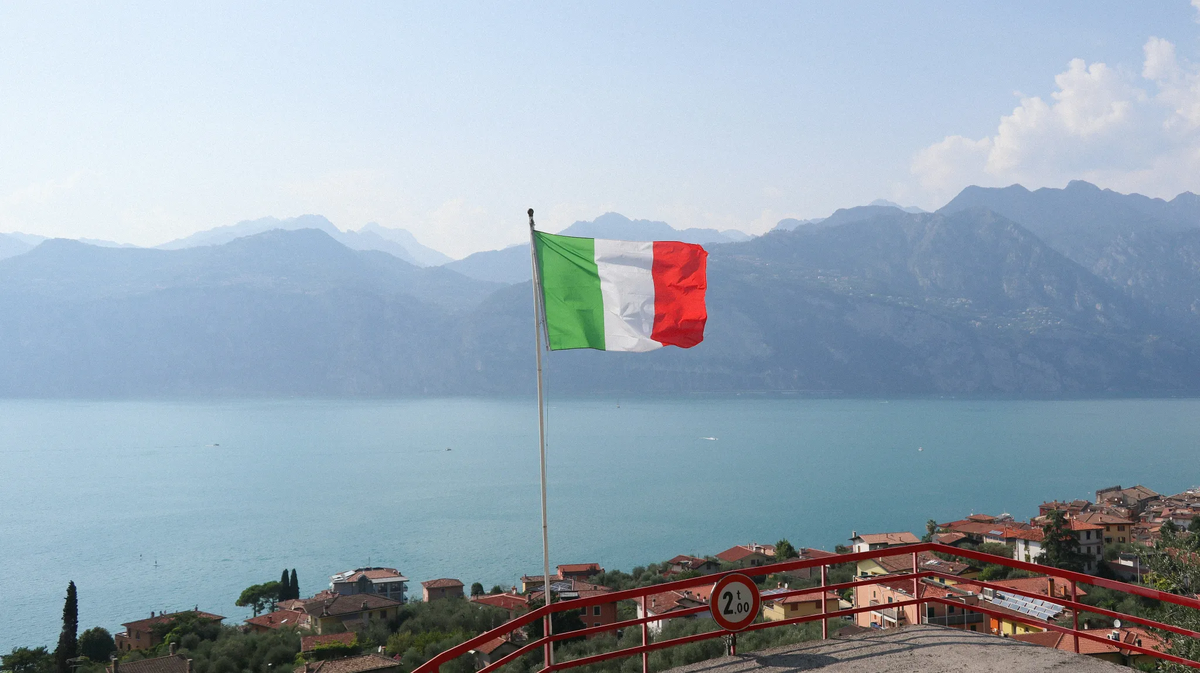
Italy’s economic identity has long been shaped by craftsmanship, family businesses, and heritage brands. Now, private equity is quietly reshaping that landscape. Although often overlooked, Italy’s real economic strength lies not in its Small and Medium-sized enterprises (SMEs). These family-run shoemakers, butcheries, and workshops have powered the economy for decades. In an age where Italian society is increasingly oriented towards performance and competitiveness, both workers and companies are confronted with the risks and opportunities that arise from the world of finance. Private equity is becoming particularly prominent; a sector of finance often seen as technical, but with a real impact on the Italian productive fabric.
Private equity refers to a medium-long term financial transaction through which an investment fund acquires an equity stake in unlisted companies. Firms which benefit from this type of intervention usually have strong growth potential and a natural propensity for internationalisation. By providing liquidity, the main goal is to support firms in their path toward modernisation, efficiency, and valorisation, aiming for a financial return through resale or a stock market listing.
A recent report by the Italian Association of Private Capital (AIFI) in collaboration with Quadrivio & Pambianco, explores the newfound way in which private equity has influenced four pillars of Made in Italy: food and beverages, furniture, cosmetics, and fashion. The objective is to learn whether private capital can help these industries grow without compromising their identity, one that is uniquely Italian.
One of private equity’s most tangible benefits for Italian SMEs is its role in helping family businesses professionalise. Maybe precisely because of this tendency, private equity in Italy faces an obstacle in entering these markets. Investors tend to favor large companies or mid-sized ones eager to scale, while mom and pop shops remain grounded on generational knowledge, often skeptical of foreign consulting firms. The true question is whether private equity can convince such shop owners to make the switch from a more long-term approach based on intuition to a more modern, data-driven, analytical approach.
Big money, small deals
Private equity represents an invaluable inflection point for SMEs, which predominantly characterise the Italian fabric and textile industry. These family-run businesses have the potential to become small multinationals, but often lack resources to compete globally. By providing not only the capital but also the push to expand internationally, private equity can give smaller businesses access to new markets and larger consumer bases, as well as strategies to remain profitable in today's fast-changing global economy.
Over the past 25 years, such investments in SMEs have totaled around 25 billion euros across the key sectors of Made in Italy. The trend accelerated in recent years, with 2022 setting a record of 2.6 billion euros invested in one year and 2024 following closely with its 2.3 billion euros. These numbers highlight the growing interest of both domestic and international funds in Italy’s traditional industries, where companies around the world still value the quality of Made in Italy products. Most of these deals remain modest in size. In fact, nearly 70% involved transactions under 15 millions euros, whilst 28% fell in the 15-150 million euros range, and only a mere 4% qualified as large-scale operations. Although a majority of investment still consists of smaller transactions, over time a progressive increase in the weight of medium-to-large operations has been observed.
Investors from around the world, unite!
The relevance of the international contribution in this increase of medium-to-large investments is clear from data on operators active in the period 2000-2024. Of the 215 entities that have made at least one private equity investment in Italian companies operating in the Made in Italy sectors, almost half are international operators. International entities, usually larger than domestic funds, have invested 77% of the total capital allocated to Made in Italy companies in the last five years.
Whilst international funds dominate in terms of capital, it is important to note that domestic players far exceed international funds in terms of the number of transactions. Domestic players now account for 72% of all deals. In particular, 44% of the investments made during the period under analysis were made by managers of Italian closed-end funds, followed by international operators, who contributed 28%.
The geographical distribution of investment reflects what is generally observed in the Italian private capital market. Northern regions predominate by accounting for approximately three-quarters of total operations. After the north, the regions in the centre contributed 15%, while those in the south and the islands accounted for 7% of the total. While ultimately positive in growth, the importance of foreign and domestic equity investment still faces the longstanding geographic hurdles which persist throughout the country to this day.
Higher revenue and more employees
Turnover is a key measure to understand how the rise in private equity is impacting the nation. Based on data measuring before and after private equity divested in the firm, revenues jumped 60%, from 22 billion to 35 billion euros. If we break down the study sample by company size, we observe a significant percentage of turnover growth of small enterprises (those with a turnover of less than 30 million euro).
But company revenue is not the only indicator when assessing the effectiveness of private equity within the Made in Italy world. Indeed, higher profits and technological improvement are often accompanied by an increase in the number of employees.
An analysis of the data by size of enterprises shows that employment growth is most significant among medium-sized enterprises (those that had a turnover between 30 and 100 million euros), which saw an approximate 36% increase. Smaller companies with an initial turnover of less than 30 million saw a 35% increase in employment, whereas large ones – with a turnover of more than 100 million – recorded an increase of 19%. The link between private equity and the Made in Italy sector is only strengthening. The data analyzed here shows that the combination has continued to prove itself as an ever more strategic lever for the growth and internationalisation of Italian companies. Private equity continues to be a catalyst for growth of Italian excellence, helping firms become more competitive while carrying the value of the Made in Italy brand. When capital supports rather than erases craftsmanship, private equity can amplify Italian SMEs without stripping away their unique heritage.